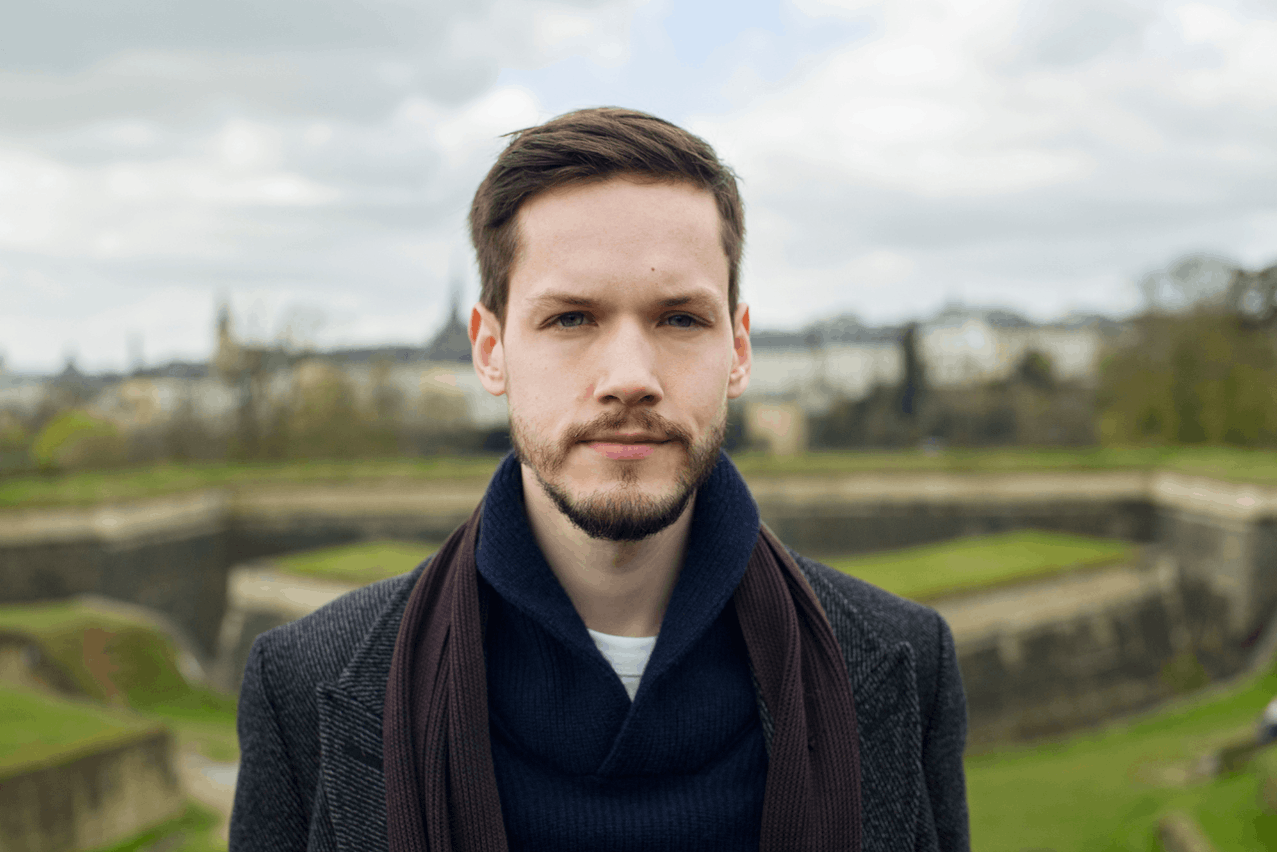
How would you describe your architectural philosophy?

My approach is to make those decisions with both clarity and care. A project today has to reconcile approvals, budget, technical coordination, environmental requirements, and the expectations of the people behind it. I combine traditional methods with digital tools where they help me make better-informed decisions earlier, but the purpose is never technology for its own sake. It is to create buildings that are coherent, durable, and genuinely good to live in.
How does your personal background influence the way you design architecture?
“My relationship with architecture started very early. I was sketching obsessively as a child, and by my teenage years I was studying Japanese construction systems, learning CAD, and becoming fascinated by the logic behind how buildings come together. Later, computational design appealed to me for the same reason: it brought a certain clarity to complex problems, and I still use that way of thinking today, especially for analysis and decision-making.
At the same time, I grew up in the world of music and craftsmanship. My father is a master luthier, so I was surrounded by instruments, tools, precise drawings, wood, and a very strong culture of care. That environment made me sensitive to proportion, detail, harmony, and material behaviour. That is why I have never seen precision and sensibility as opposites. I want projects to be technically clear, but also deeply enjoyable to experience.
How do you incorporate climate-related concerns into your projects?
“Sustainability is sometimes treated as an afterthought to hit reporting metrics. For me, climate-related thinking begins with the logic of the project itself: orientation, compactness, daylight, durability, material choices, and the relationship between form and energy demand. These are architectural decisions from the start.
I also think a sustainable building should be able to evolve. That means designing not only for today’s brief, but with enough intelligence and flexibility that a home can adapt as a family changes, or that a building can take on a different use over time. In practice, that translates into flexible structural logic, well-considered volumes, and low-maintenance solutions. Ultimately, the most sustainable building is one that meets present needs without undermining the conditions for the future.”