Every year, Luxembourg City attracts more and more people who value the quality of life the city offers. This trend has made our capital the diverse and multifaceted city it is today and that we all cherish.
But our city also faces many challenges. Its streets are increasingly clogged with cars and many people can no longer afford to live here. What is more, the consequences of the climate crisis are becoming increasingly apparent, with flooding and hotter and drier summers.
It is our responsibility to preserve and improve the quality of life of all the people of the city and meet these and other challenges. This requires concrete action.
The need for mobility in our city is growing. We need to make sure that everybody can get around comfortably and safely. Today, half of the trips made here are below 5km. So walking and cycling can be real alternatives. Yet, for these alternatives to become more attractive, we need to upgrade public spaces, promote walking friendly streets, and create an interconnected network of safe cycle paths throughout the capital. The tram and other modes of public transport will also have to be further developed. By improving the car-sharing offer, we can ensure that everyone has access to a car when needed, without having to bear the related costs of owning a vehicle.
Simultaneously, we should reconceptualise the design of our neighbourhoods to improve the everyday lives of residents. By making sure that shops and services are available close by, we decrease the need for travel and free up precious time. Our neighbourhoods would also become more vibrant and liveable. Removing through traffic from the neighbourhoods would reduce unwanted pollution and noise while also making the streets safer, for instance for kids on their way to school.
Affordable housing and climate crisis
The lack of affordable housing in Luxembourg City must also urgently be tackled. To do so, we need to double the offer that is available, and create a taskforce that brings together all relevant actors to speed up the development of housing projects.
We also have an obligation to find new ways to strengthen the participation of the city’s foreign residents. One way is to really listen to residents’ opinions and ideas ahead of the development process of new projects and to introduce participatory budgeting. The creation of neighbourhood houses could provide a space for neighbours to come together and strengthen the sense of community in the various areas of the city.
Municipal leaders must show leadership in fighting the climate crisis, as it already negatively affects the quality of life in the city. This means leaving fossil fuels behind and making the capital climate neutral in the next 10 to 20 years. This can be achieved by greening urban planning, increasing energy efficiency and solar energy and implementing a zero-waste strategy. The city needs to make sure every resident can make the switch to renewables. We also must climate-proof the city, for instance by planting more greenery and trees, which reduces temperatures in summer while helping prevent floods.
By implementing these ideas, Luxembourg City will become a better city--green, inclusive and with a high quality of life for all its residents, regardless of background and means.
But to do so, we must overcome years of political standstill and let a breath of fresh air into city hall--that is what the next local elections are about.
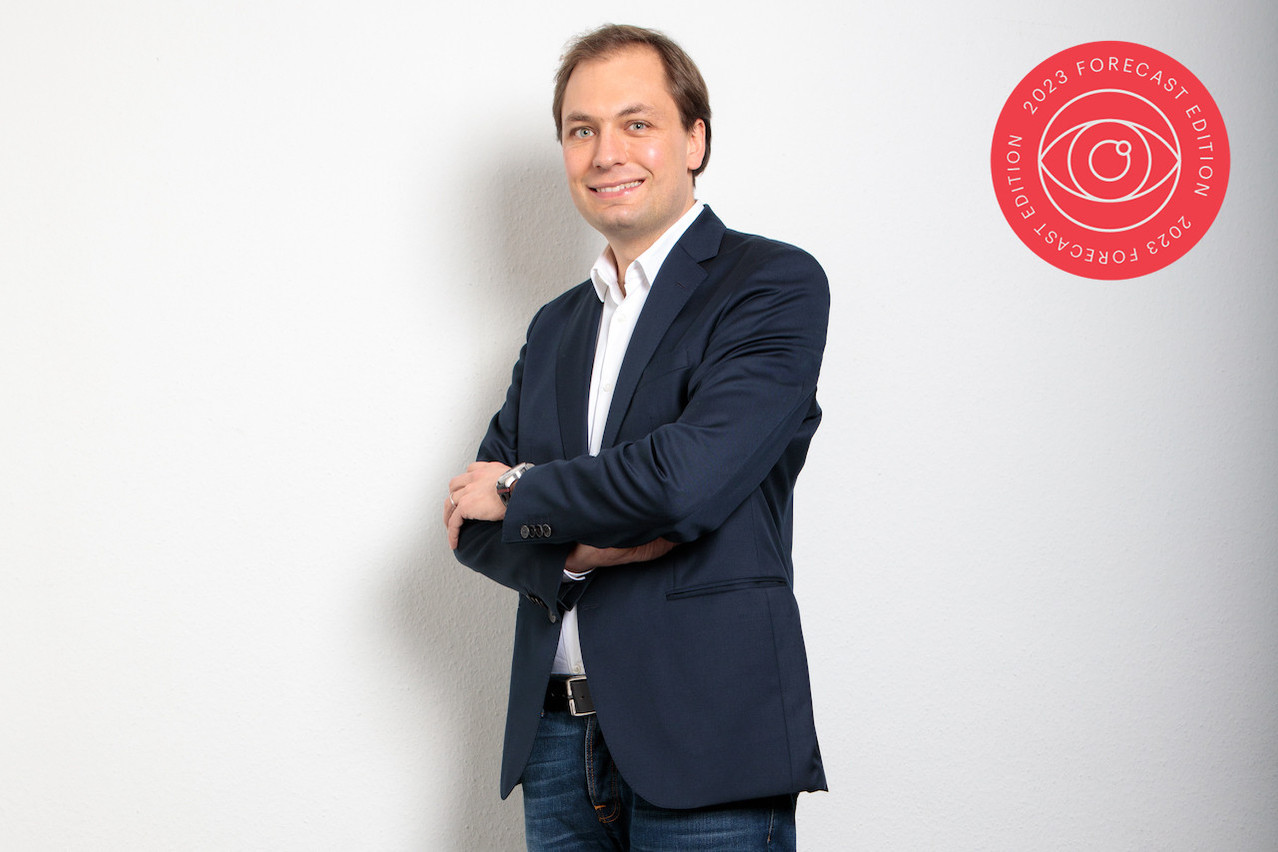
François Benoy is a member of parliament and the city council, and the déi Gréng joint candidate for mayor of the City of Luxembourg. A former reporter for RTL radio and coordinator at natur&ëmwelt, Benoy is also a President of Amicale des Guides et Scouts du Belair and enjoys running and gardening.
An alternate version of this article first appeared in the Forecast 2023 issue of Delano magazine.