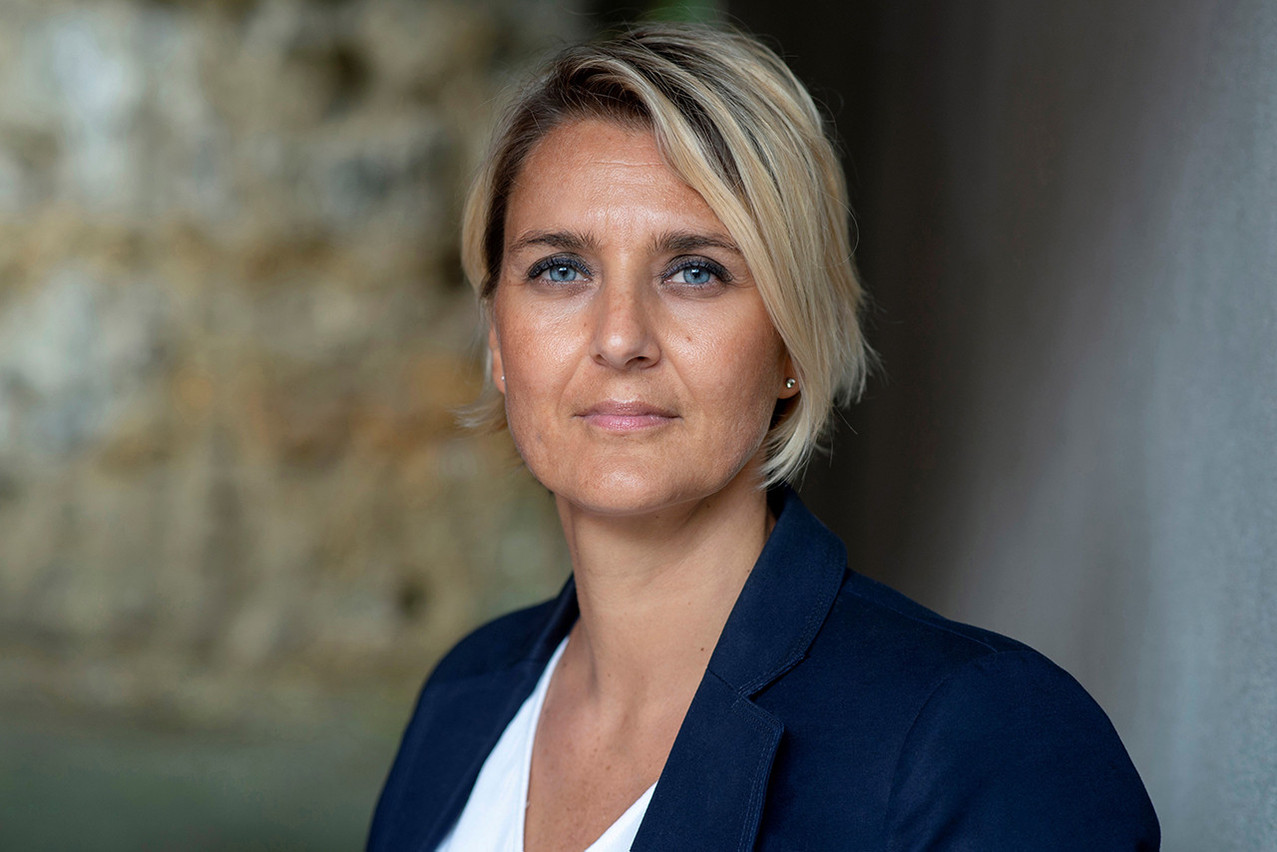
After a first professional life in HR in management positions (Deloitte then BDO), 
What are the weak signals of toxic management?
Caroline Lamboley. —“They’re often discreet, almost imperceptible at first: a drop in collective energy, employees censoring themselves, talent quietly leaving. Weak signals can be found in what is left unsaid: a manager you no longer dare to contradict, meetings where a lot is said but nothing is decided, a form of widespread fear. Toxic management doesn’t always explode with a bang. It settles in quietly, through fear of displeasing, loss of confidence, or the impression that speaking out is no longer useful.
Where is the border between demanding management and toxic management?
“Demanding management pushes people to excel, toxic management pushes them to remain silent. Demanding management sets high standards, but provides the means to achieve them. It is based on clarity, fairness and recognition. Toxic management, on the other hand, demands a lot without providing support, listening or fairness. The real boundary is the intention: is the aim to help people grow or to control them? A demanding leader makes progress, a toxic leader exhausts.
What are the simple managerial practices to put in place to prevent toxic drifts within a team?
“Preventing toxic management is not a question of charters or slogans, but of practical day-to-day practices. It all starts with the way a manager listens, talks and regulates tensions in his team.
Establishing a real dialogue is fundamental. When I was HR Director, some managers would take ten minutes at the end of a project to ask their team what had gone well, but also what they themselves could improve in the way they managed. This simple gesture creates a two-way feedback culture and prevents frustrations from taking root.
Another effective practice is to assess performance not only on results, but also on behaviour; this sends a strong signal: performance without respect is not sustainable performance.
Training can also play a key role. A lot of toxic behaviour is not due to malice, but to a lack of emotional awareness: stress, clumsiness, impatience. Training managers in constructive feedback, non-violent communication or how to manage their own emotions profoundly changes the dynamics of a team.
Prevention also requires consistency. A company that allows a high-performing employee to act without respect for others sends out the worst possible message: that anything goes in the name of results. Toxic management thrives on silence and complacency. So the first preventive measure is the courage to remind people of our values… through action.
Talking is not an act of defiance, it’s an act of loyalty to the organisation.

When an employee is a victim or witness of abuse, what is the best way to act? And what mistakes should be avoided?
“The first step is to document the facts: note the situations, the dates, any witnesses. Then talk about it, as soon as possible, with HR, a trusted manager or a staff representative. The most common mistake is to wait for things to ‘blow over’. It never goes away, it takes root. But you also need to avoid an emotional outburst: remaining factual and professional is what gives your words weight.
But how do you alert or document the facts without compromising your career?
“It’s often the greatest fear: to speak out is to take a risk. However, keeping silent is also a risk. The best way to act without putting yourself at risk is to remain factual: describe what happened, when it happened and with whom, without judging or accusing. This professional tone protects the credibility of the speech. It’s also essential not to be alone: seeking support (from HR, a trusted peer, etc.) helps to put the right words in the right place and choose the right channel. Lastly, talking about the way things work rather than the individual avoids direct confrontation and encourages collective reflection. In reality, raising the alarm is not an act of defiance, it’s an act of loyalty to the organisation. The real risk is silence.
What diagnostic tools do you recommend for managers to detect managerial toxicity?
“Social climate surveys are useful, but not enough: they measure the weather, not the underlying temperature. I recommend behavioural 360° surveys, carried out by a trusted third party and focusing not on skills, but on management style.
And then there is an empirical but infallible indicator: a manager who ‘delivers’ good results, but whose teams are emptying out, raises a real issue. Lasting performance is never built on fear or attrition.
When a manager is identified as toxic, what remedial protocol really works? Coaching, reframing, mobility, separation?
“It all depends on the manager’s level of awareness of his or her behaviour. If there is a real lack of self-awareness, clumsiness or managerial immaturity, support is often useful, provided there is a sincere desire to question oneself.
But when the toxicity is structural, assumed or has already left deep traces in the team, you need to act quickly and clearly: separation becomes the only responsible option. You can’t ‘re-educate’ behaviour rooted in ego or contempt, and moving the problem simply means making it resurface elsewhere.
End the relationship is not a failure: it’s an act of managerial courage and a strong signal sent to the whole organisation. No individual performance can justify collective suffering over the long term.
The best leaders know how to be demanding without being violent, ambitious without being overwhelming.

Are teleworking and hybrid models changing the nature of managerial toxicity?
“Distance makes toxic behaviour more subtle, but no less destructive: isolation, digital micro-control, lack of recognition… Teleworking also reveals a new form of toxicity: managerial indifference. Not listening, not responding, not existing.
As a headhunter, how do you assess a candidate’s managerial risk? What clues in their background, references or posture alert you?
“I always look beyond the CV. A manager can post excellent results in the short term while leaving behind an exhausted or divided team. Managerial risk is therefore measured in terms of the sustainability of performance: did the talent stay? Did the projects last? Have the teams grown? A good leader leaves a constructive mark, not a field of ruins.
In my interviews, I listen to the way a candidate talks about his or her teams: the pronouns used, the place of the collective, the recognition of contributions… True performance is the kind that stands the test of time because it’s based on trust.
What are the priority decisions to take to rebuild a healthy culture after a toxic episode?
“First: recognise the facts. Without that, it is impossible to restore trust. Next, restore meaning and connection: give people a voice, clarify values, set clear limits. And above all, don’t move too fast: culture can’t be repaired in project mode, it has to be rebuilt through daily consistency.
What would you say to bona fide managers who fear being perceived as toxic as soon as they set the bar high?
“Demanding is not toxic, it becomes toxic when it humiliates. Being clear, firm and consistent has never hurt anyone. What makes the difference is respect in the relationship. The best leaders know how to be demanding without being violent, ambitious without being overwhelming.
Balance is just that: height of vision without height of tone.”