In a parliamentary response from environment minister 


Concerning the Grand Ducal regulation of 1979 on construction site noise, a revision is underway to bring it into line with current technical and scientific standards.
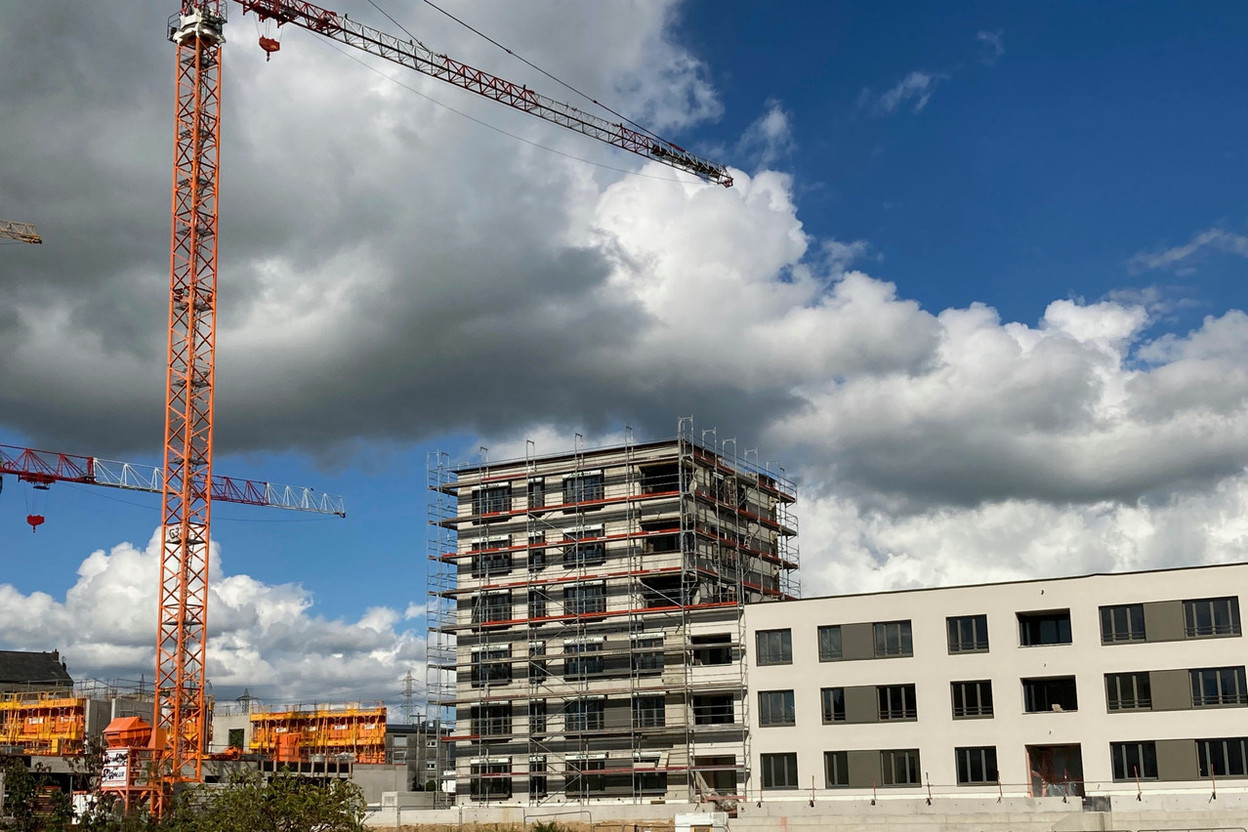
Between 2020 and July 2025, more than 1,900 requests for exemptions to work at night were submitted. Nine out of ten projects were authorised. In 2025, 188 applications had already been submitted by 31 July. There were no explicit refusals: the remaining applications were shelved, either because they did not fall within the scope of article 6 of the regulation, or because they were submitted too late. Around half the applications concerned the polishing of concrete slabs, the other half the maintenance of infrastructure, such as motorways, the rail network, the tram or public drains.
Finally, the ministers point out that motorway speeds are not reduced across the board, but adapted to the circumstances, and that more than 90% of local authorities have already introduced 30 km/h zones in residential and school districts.
A wider public health issue
In another parliamentary reply, this time to MP 
This work has enabled a statistical assessment to be made of the effects of noise on health: sleep disorders, perceived nuisance and cardiovascular pathologies. A survey carried out in 2022 also measured residents’ perception of noise.
The minister points out that local authorities have an important role to play, particularly through their development plans, and that businesses and construction sites are subject to noise limit values. These thresholds are regularly reassessed in the light of new European and international studies.
Finally, the government is focusing on raising awareness: public consultations, online publication of data, and events such as the “Environmental Days” or the “Klangweeër” in Belval. The aim is to inform citizens about a subject that is not limited to building sites, but directly affects quality of life and health.
According to a report by the European Environment Agency (EEA), more than 20% of Europeans are exposed to excessive noise pollution. Luxembourg is one of the worst affected countries, with almost 50% of its population affected by transport-related noise, due in particular to air traffic over densely populated areas, but also to vehicles with noisy exhaust pipes. Against this backdrop, MPs 
Contacted regarding the number of complaints due to noise, the Grand Ducal police had not got back to us by the time this article was published.
This article was originally published in French.