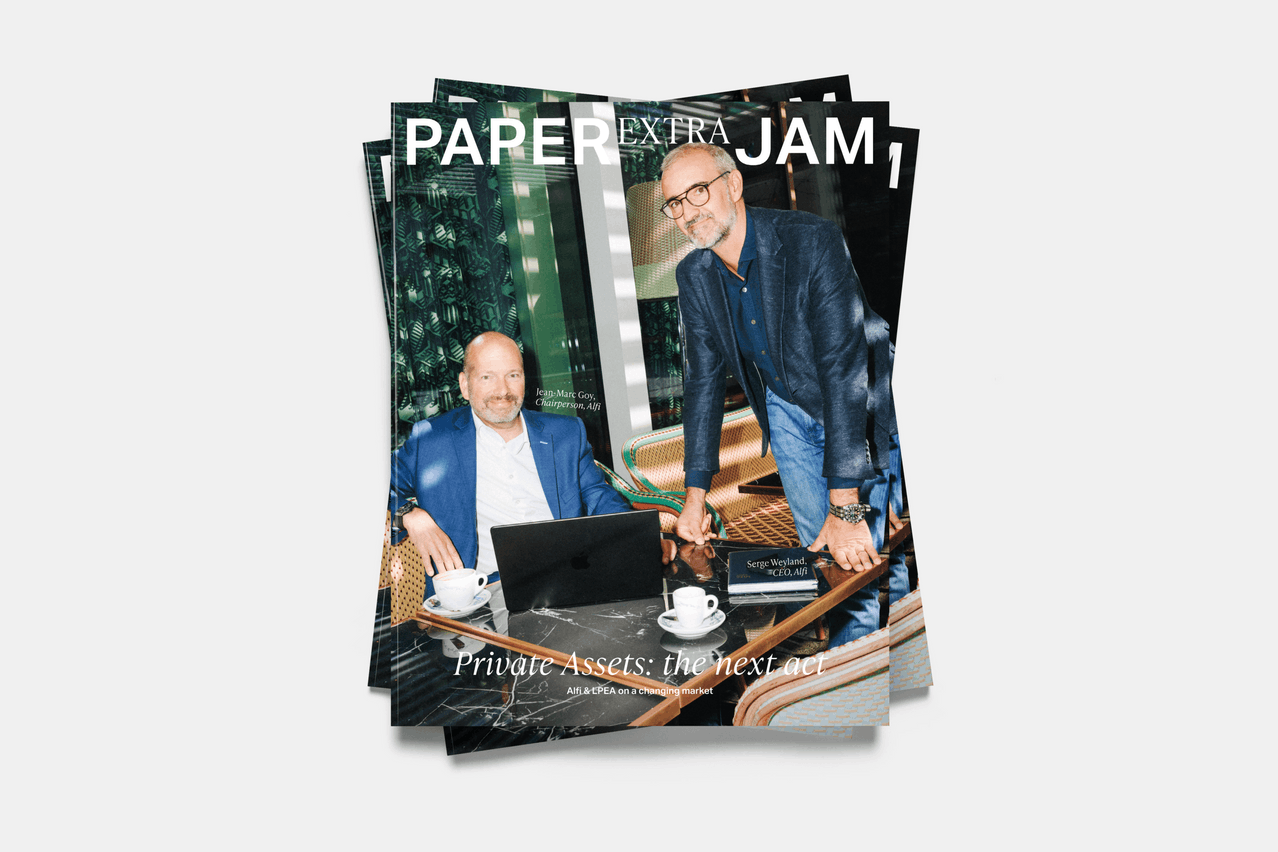
The figures are staggering. At the end of May 2026, Luxembourg-based funds had €8.888 billion in assets under management. This is a record, but above all a sign of an industry undergoing radical change. Alternative assets continue to grow within the sector, and private assets now occupy a position that is becoming difficult to describe as a ‘niche’.
But growth also brings with it very real headaches. In the absence of daily trading prices, the valuation of assets is often based more on estimates than on market prices. And with disposals taking longer than expected, investors are growing impatient to see a return on their capital. This is enough to reignite a question that the sector is still struggling to resolve: to what extent can one promise liquidity for assets that, by their very nature, lack it?
This is the central theme of this Extra. Fund managers, lawyers, recruiters and other key players in the ecosystem share their perspectives on a market forced to adapt to this new reality. From the new AIFMD II framework to the rise of secondaries, via the ways in which funds defend their valuations or seek alternative exit strategies, each topic sheds light on a facet of an industry that has become broader and more sophisticated.
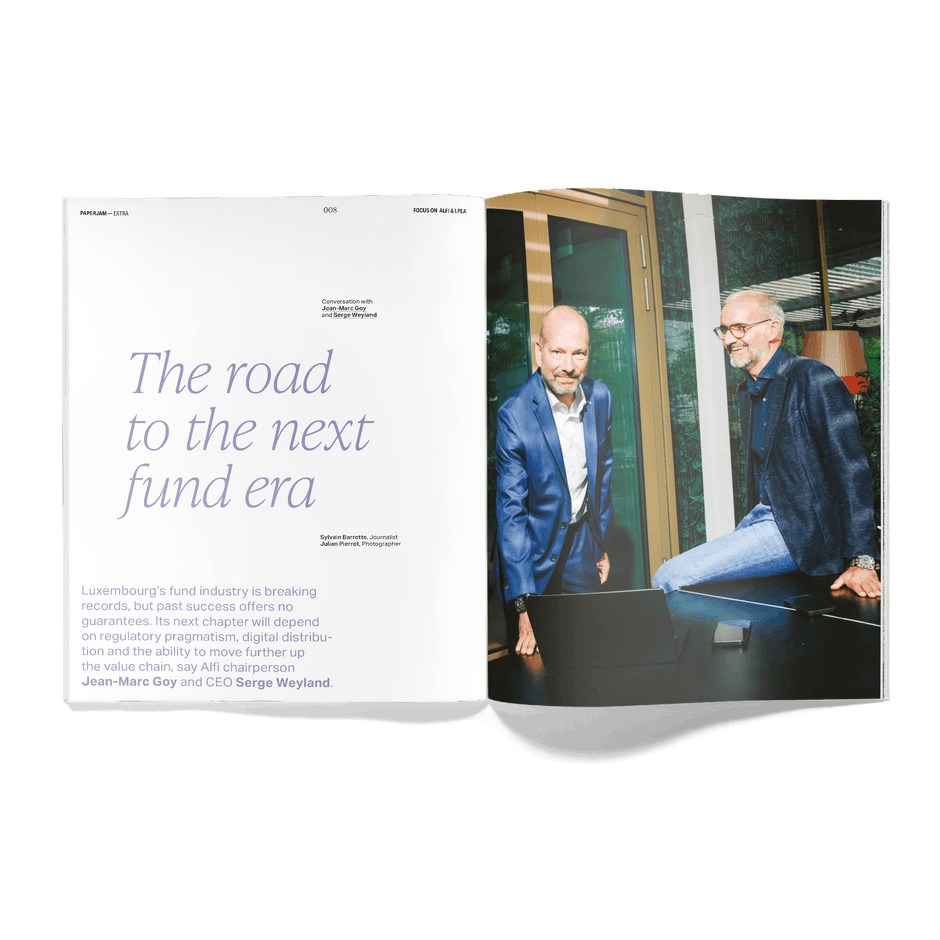
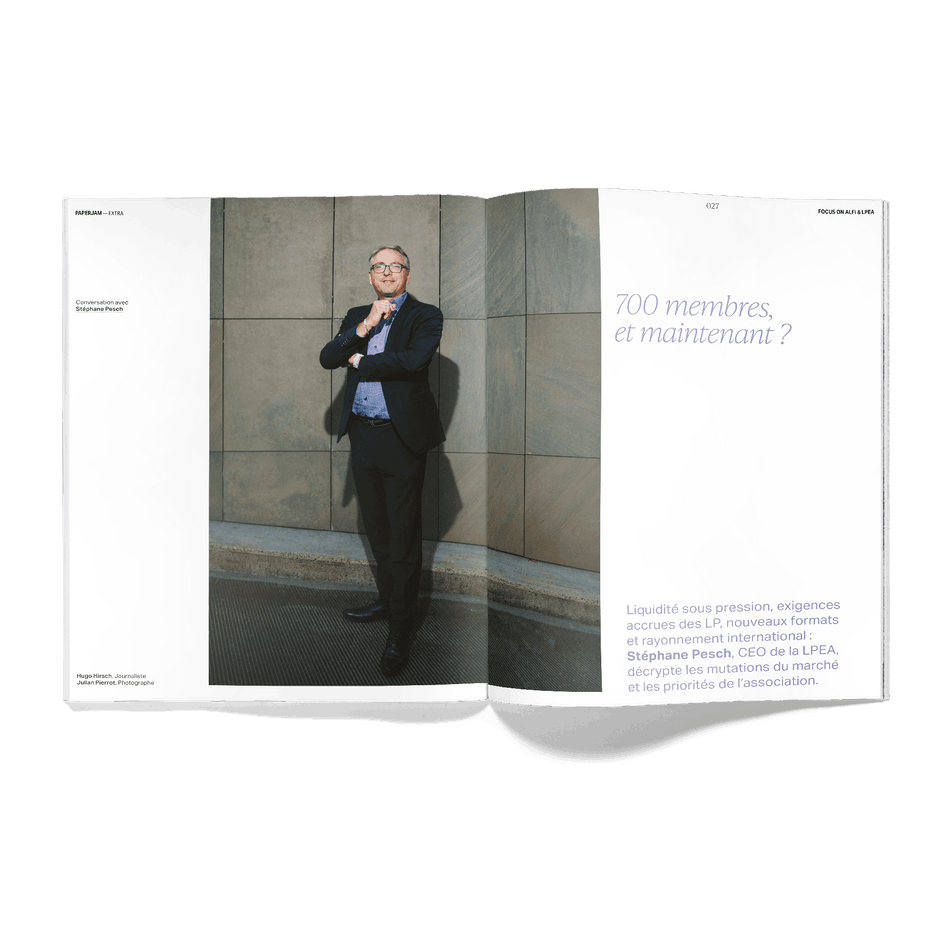
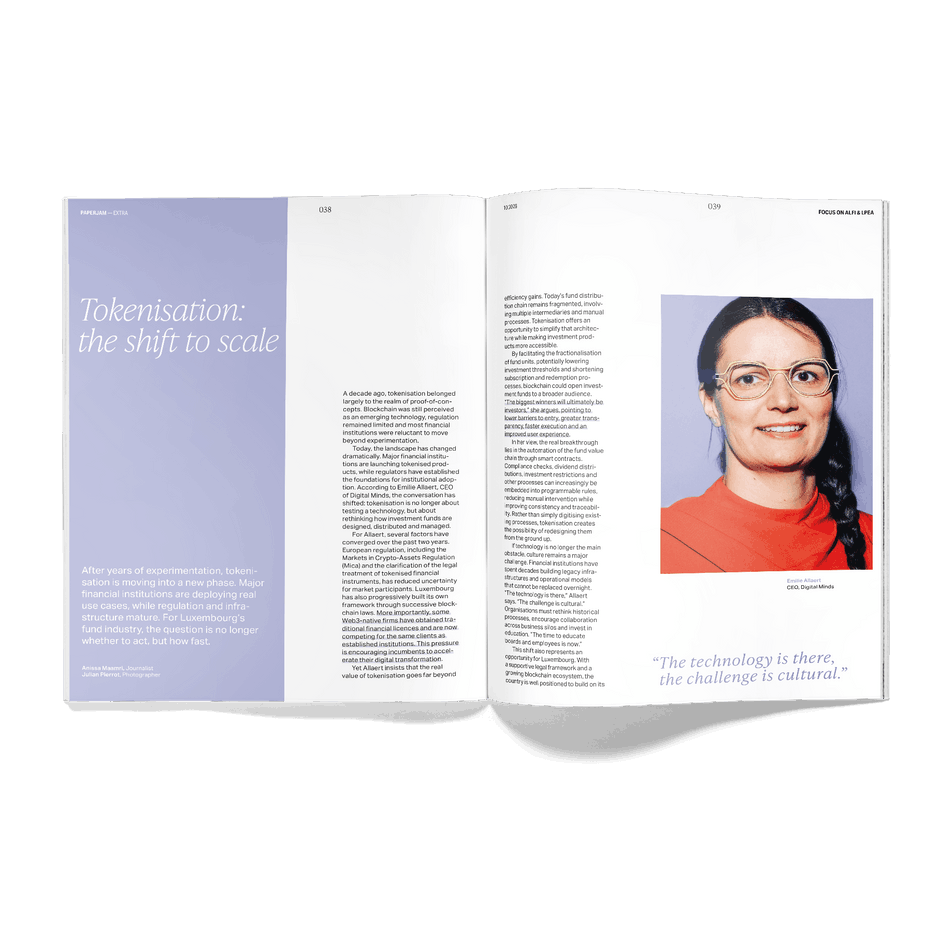
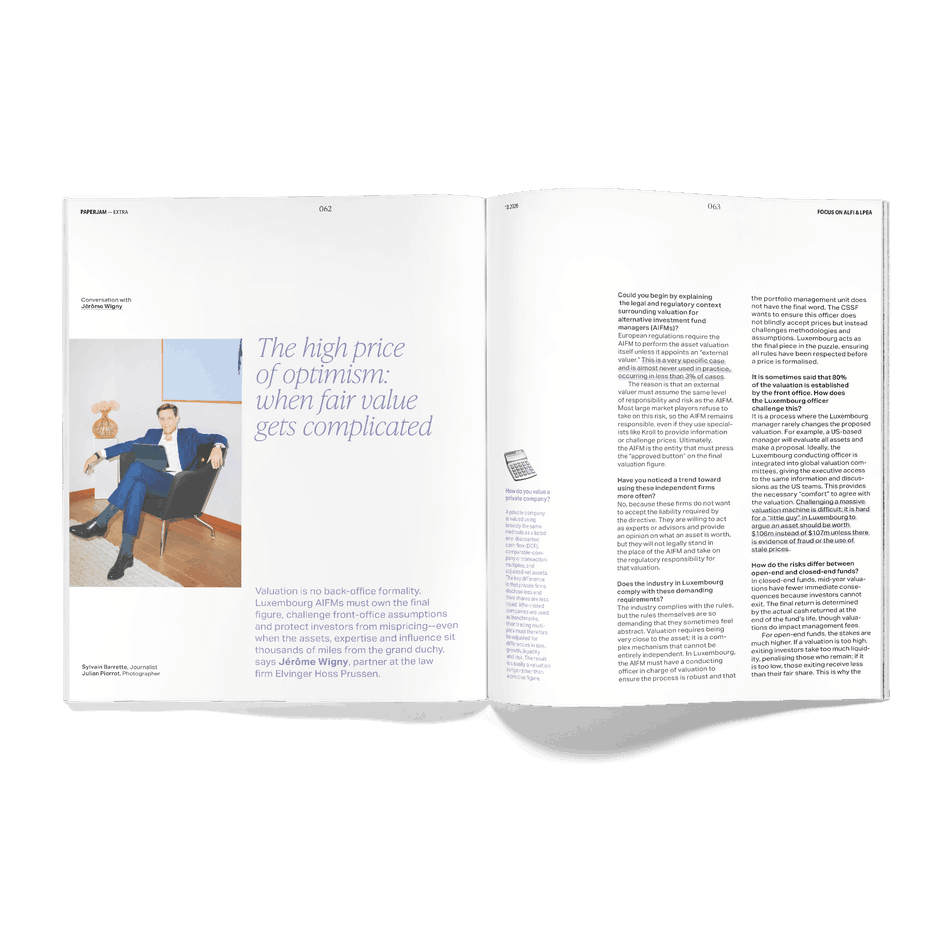
Change is also being felt within teams. Recruiters see this every day: a single vacancy can attract hundreds of applications, whilst certain highly specific profiles remain hopelessly elusive. This gap is set to widen, at a time when artificial intelligence, tokenisation and the digitalisation of distribution are gradually reshaping the sector’s roles.
Products, regulations, talent: everything is changing at once. Luxembourg must therefore define the role it intends to play in this landscape in the future. The country has amply demonstrated its ability to structure, manage and distribute funds on an international scale. It must now consolidate these achievements whilst attracting more activities at the heart of decision-making, investment and value creation.
This issue sets out to explore this new phase: that of a market which has grown larger and more mature, but which has also become more complex to manage. You can pick up a copy at newsagents from this Wednesday, 16 September, alongside its twin publication, a second supplement dedicated this time to Living & Workspace.