Two days of discussions, dozens of talks and one central question: how can private capital continue to finance businesses in an increasingly uncertain environment?
From private equity specialists to venture capital investors, the speakers described a sector that must adapt to new demands. Investors want their money back, fund managers are seeking new sources of growth, and artificial intelligence (AI) is transforming business models. Here are the ten key takeaways from the 2026 edition.
1. Luxembourg must go beyond mere domicile
With €3,100bn in assets in alternative funds, Luxembourg is in a strong position. But 

2. Investors want their money back
This is one of the key messages from LPEA Insights. Past performance is no longer enough: investors want tangible distributions. 
3. The 2021 valuations will not be easily regained
The M&A market is showing signs of recovery, but buyers and sellers are still struggling to agree on prices. Eckart Vogler, of Investindustrial, notes a gradual convergence between internal valuations and the offers received. Fund managers must now rely more on operational improvements at their portfolio companies than on a simple rise in valuation multiples.
4. Follow-on funds are becoming essential
Why sell a promising business simply because a fund is coming to an end? Continuation funds allow managers to retain certain assets for longer, whilst offering an exit route for investors who wish to recoup their capital. This is an increasingly common tool, but one that raises questions regarding valuation, transparency and conflicts of interest.
5. Europe holds its own, but needs to invest more
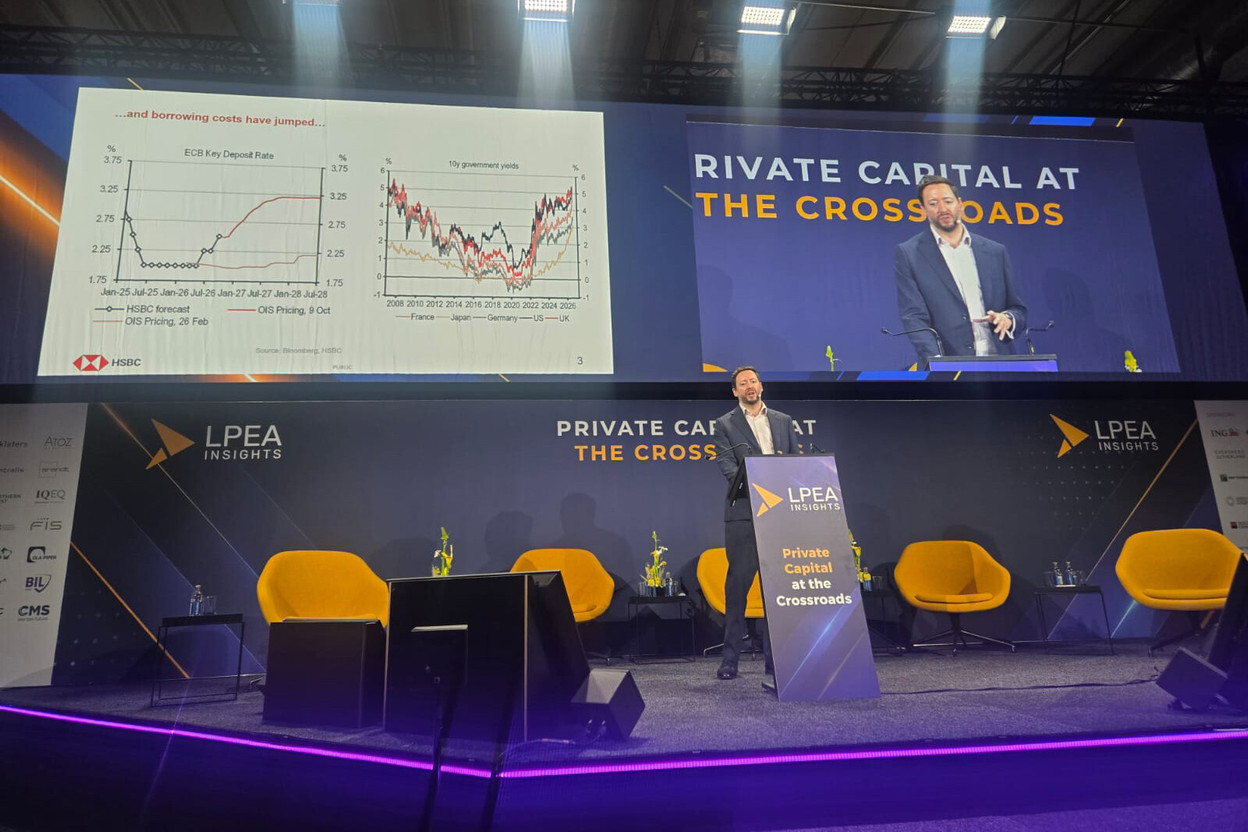
Despite rising energy prices and borrowing costs, the European economy is showing unexpected resilience. Chris Hare, an economist at HSBC, nevertheless forecasts that inflation is likely to exceed 4 per cent in early 2027. His main warning concerns the long term: without further investment in productivity, Europe will struggle to offset the effects of its ageing population. AI and defence could be two drivers of growth.
6. AI isn’t rolled out at the snap of a finger
AI promises considerable efficiency gains for asset management firms, but integrating it into business processes remains a complex task. Alexandra Bud, of Mangrove Capital Partners, discussed, in particular, the practical challenges involved in this transformation. Beyond the tools themselves, companies must rethink their working methods, skills and organisational structure.
7. Evergreen funds are attractive, but they require discipline
Unlike traditional funds, evergreen structures do not have a pre-defined liquidation date. They allow for investment over a longer period and can facilitate private investors’ access to unlisted markets. However, as Tomislav Culic of KKR pointed out, this format is not automatically suitable for all strategies. Liquidity management remains essential.
8. European universities must turn research into businesses
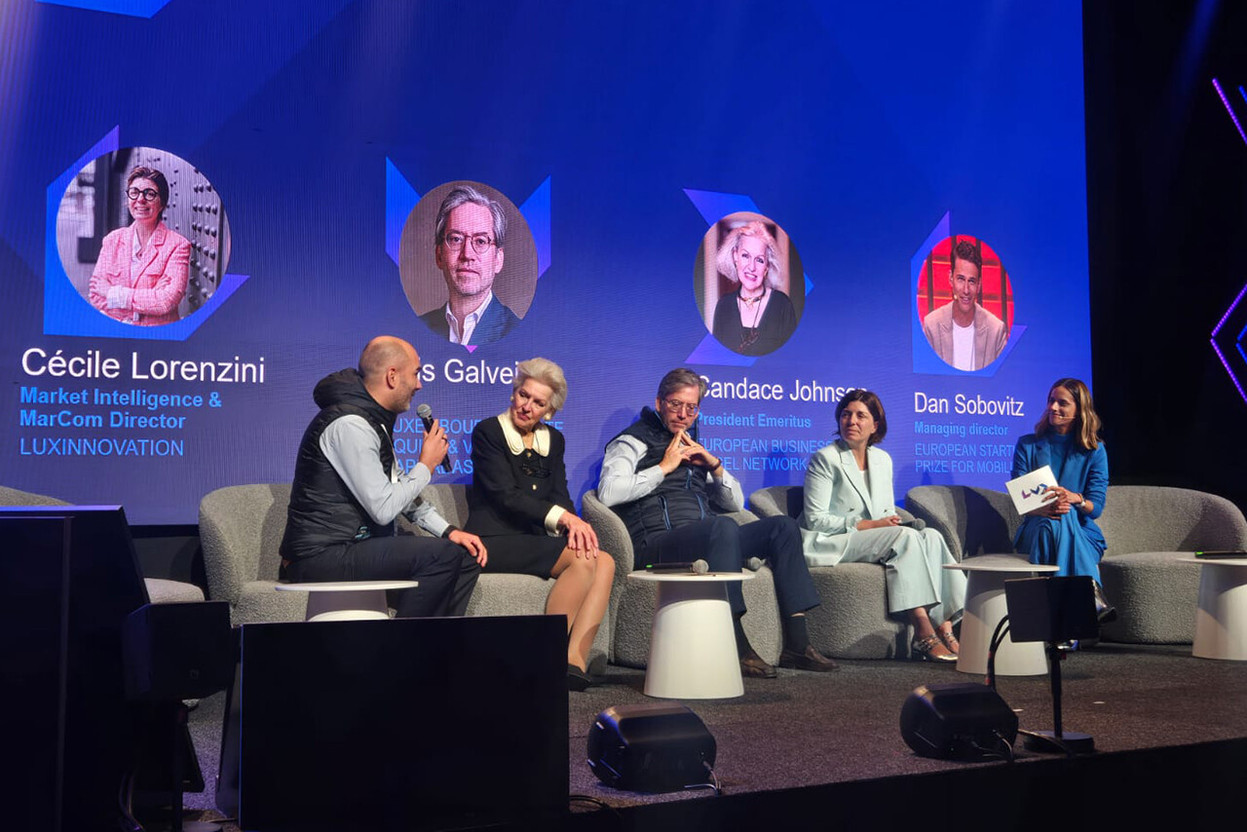
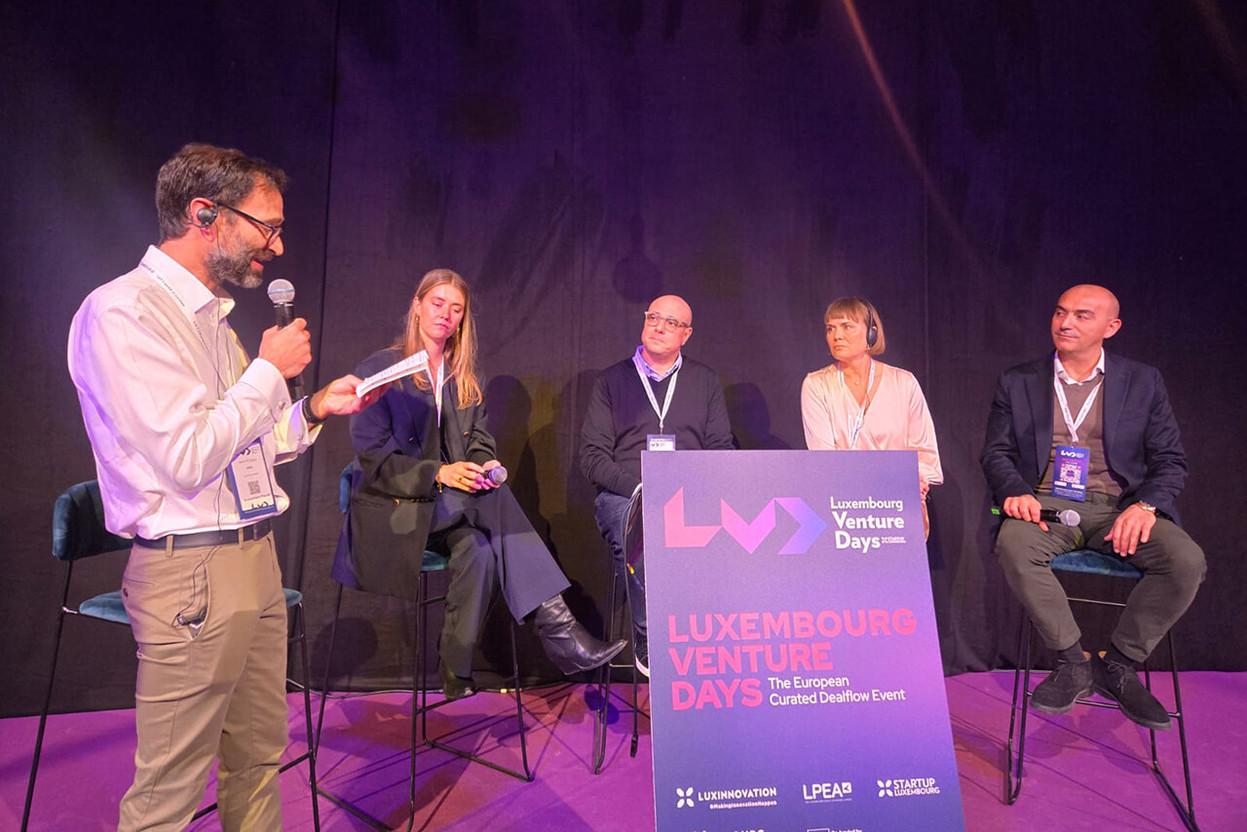
Europe has world-class laboratories and researchers. But a scientific innovation does not automatically become an attractive business proposition for investors. At the Luxembourg Venture Days, representatives from Tum Venture Labs, List Ventures and Runa Capital emphasised the need to provide better support for researchers, to build strong entrepreneurial teams and to verify the existence of a market at a sufficiently early stage.
9. Start-up funding remains a challenge across Europe
European start-ups are not necessarily short of ideas, but their access to capital becomes more difficult when they seek to scale up. The lack of late-stage funding remains particularly acute when compared with the United States. For investors gathered at the Luxembourg Venture Days, the challenge lies in transforming European innovations into businesses capable of expanding internationally, without having to systematically seek funding elsewhere.
10. Infrastructure is becoming more complex and more attractive
Investment in infrastructure is no longer limited to motorways, airports or power stations. Data centres, fibre-optic networks, electric vehicle charging points and decentralised energy generation are broadening the scope of possibilities. Sophie Bajwa, of Marguerite, highlighted, in particular, the growing interest among institutional investors in the European mid-market segment, where fund managers hope to find further opportunities for value creation.
A common theme runs through these ten lessons: private capital must demonstrate its economic value, its ability to fund innovation and, above all, its capacity to generate returns that materialise for investors. For Luxembourg, the challenge lies in supporting this transformation without losing the advantages that have made it so successful.