
Michael Field, Morningstar’s chief market strategist for Europe, opened the market outlook webinar on 8 October 2026 by describing the year as a topsy-turvy period marked by the war in Iran and lingering geopolitical shocks.
Yet corporate earnings growth has remained resilient and major indexes hover close to record highs. Field outlined a European market landscape defined by subtle valuation discounts, stark country-level divergences, and selective sector opportunities.
European markets trade at a modest discount
Despite the year-to-date gains in the stock markets, Morningstar’s bottom-up fair value model shows European equities operating at a 6% discount to intrinsic worth (see chart 1). While US equities trade at a slightly wider 9% discount, global markets experienced subdued, low single-digit percentage gains in the third quarter.
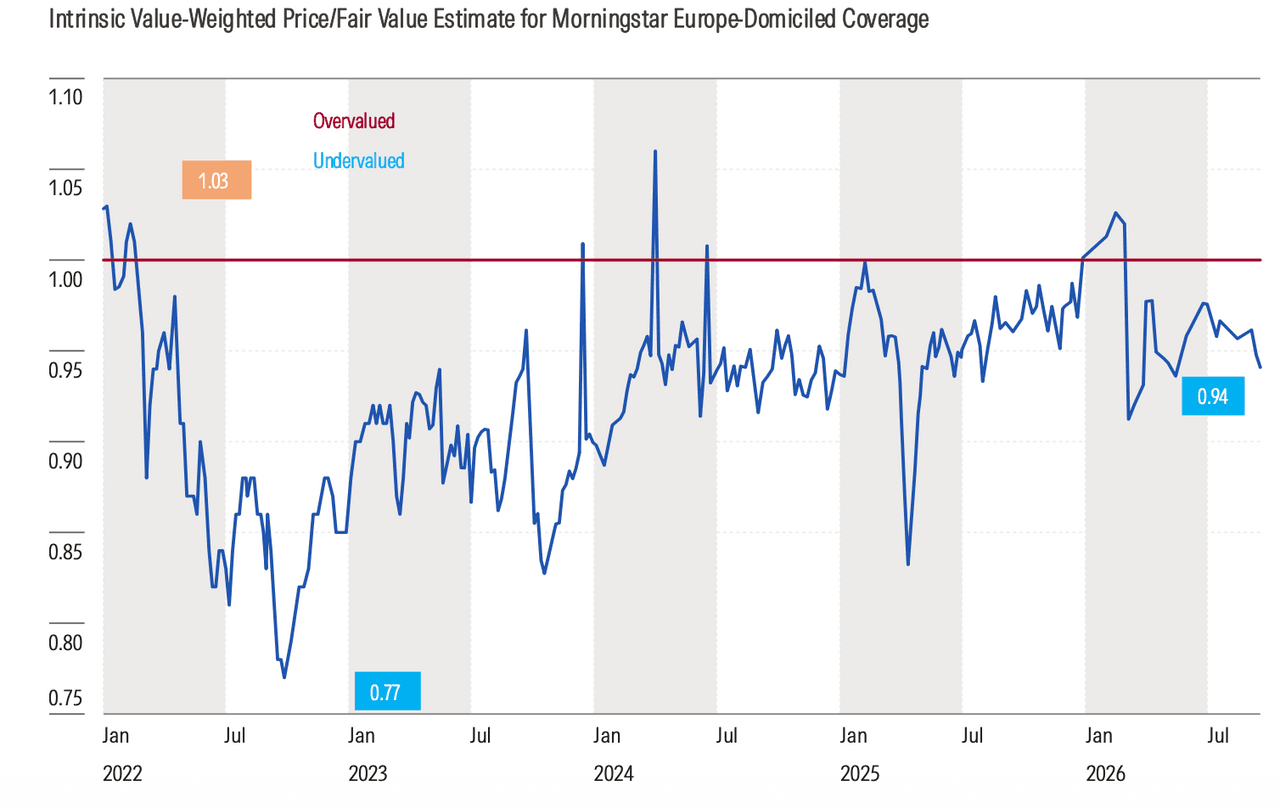
Chart 1: Morningstar’s Intrinsic Value-Weighted Price/Fair Value Estimate Source: Morningstar. Data as of September 2026.
Field posed a poll question asking whether European equities represent good value; 52% of attendees answered “no” while 48% answered “yes,” reflecting an even split. Field emphasized that while a 6% margin of safety provides limited protection against market wobbles. Yet he argued that selective opportunities remain visible.
Country divergences across the continent
Europe is far from monolithic, with major valuation gaps across national indexes. Spain and Sweden trade at premiums of 8% to 10% above fair value (see chart 2).
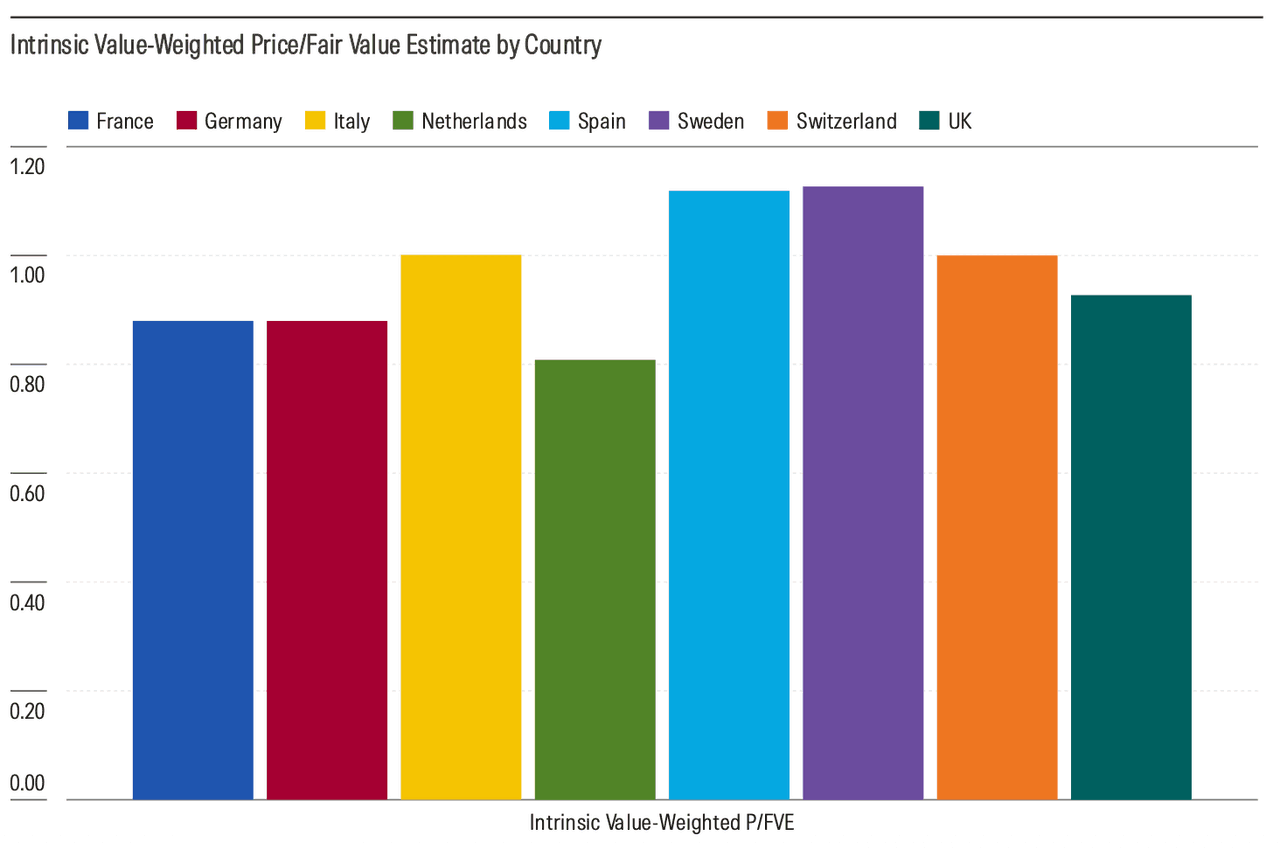
Chart 2: Morninstar’s Intrinsic Value-Weighted Price/Fair Value Estimate by Country Source: Morningstar. Data as of Sept. 21, 2026.
Sweden’s index has been buoyed by industrial firms benefiting from structural growth, including renewable grid upgrades and AI data centre buildouts. Spain has similarly gained from exposure to banking and renewables.
There's nothing flashing up red that we're saying, don't touch
Conversely, the Netherlands trades as the cheapest European market due to pharmaceutical weakness and headwinds facing ASML. France trades at a discount as sovereign debt concerns weigh on markets.
Midcap stocks and sector divergence
Over a twelve-month horizon, commodities led markets due to Strait of Hormuz supply constraints, while emerging markets performed strongly. Bond yields have risen as central banks (US Fed, ECB and BoE) face rate expectations and sovereign debt risk premiums (see chart 3).
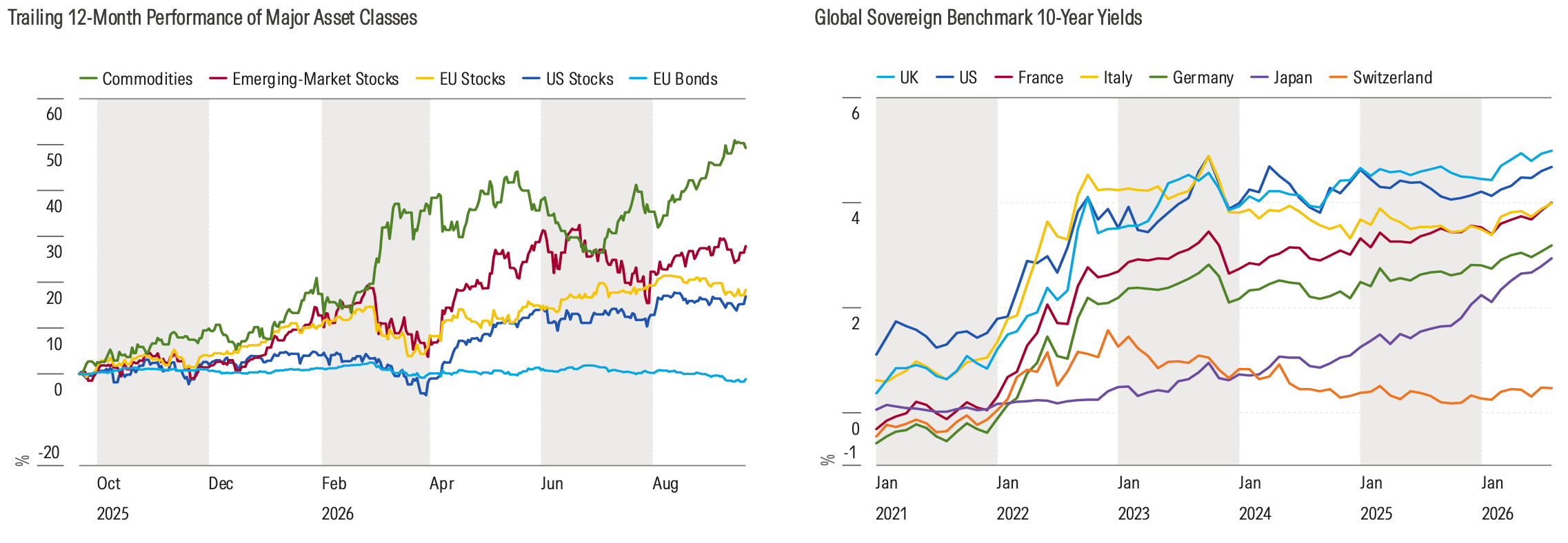
Chart 3: Asset class performance and 10-year yields Source: Morningstar Direct. Data as of Sept. 22, 2026. Global sovereign benchmark 10-year yields as of August 2026.
European small-cap stocks rallied in recent quarters, leaving midcaps as the most attractively valued segment in Europe, Field argued, with a discount of 11% (see chart 4). Unusually, European value, core, and growth stocks all trade at similar discounts of 5% to 6%.
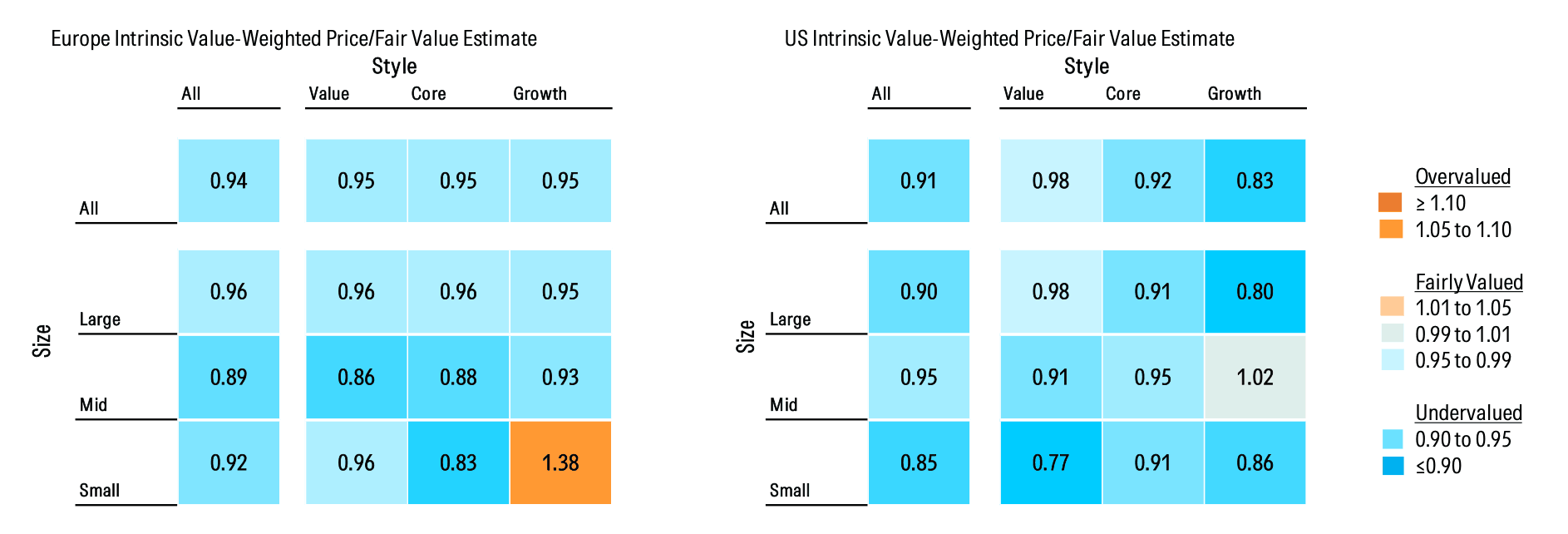
Chart 4: Discounts to Fair Value Estimates Widen Modestly Source: Morningstar. Data as of September 2026.
Third-quarter sector returns diverged: consumer cyclicals fell 5%, while energy surged nearly 20% and financials gained 7%. Over twelve months, energy is up almost 50%, technology 45%, financials 35%, and utilities 27%.
Sector opportunities from healthcare to tech
Field identified significant sector valuation discrepancies. Consumer cyclicals trade at the deepest discount, exceeding 20% below fair value, as rising unemployment and mortgage rates squeeze. Consumer defensives trade at a 12% discount, while healthcare offers a compelling opportunity at a 9% discount (see chart 5). “There comes a point when the opportunities are too good to ignore,” he stressed.
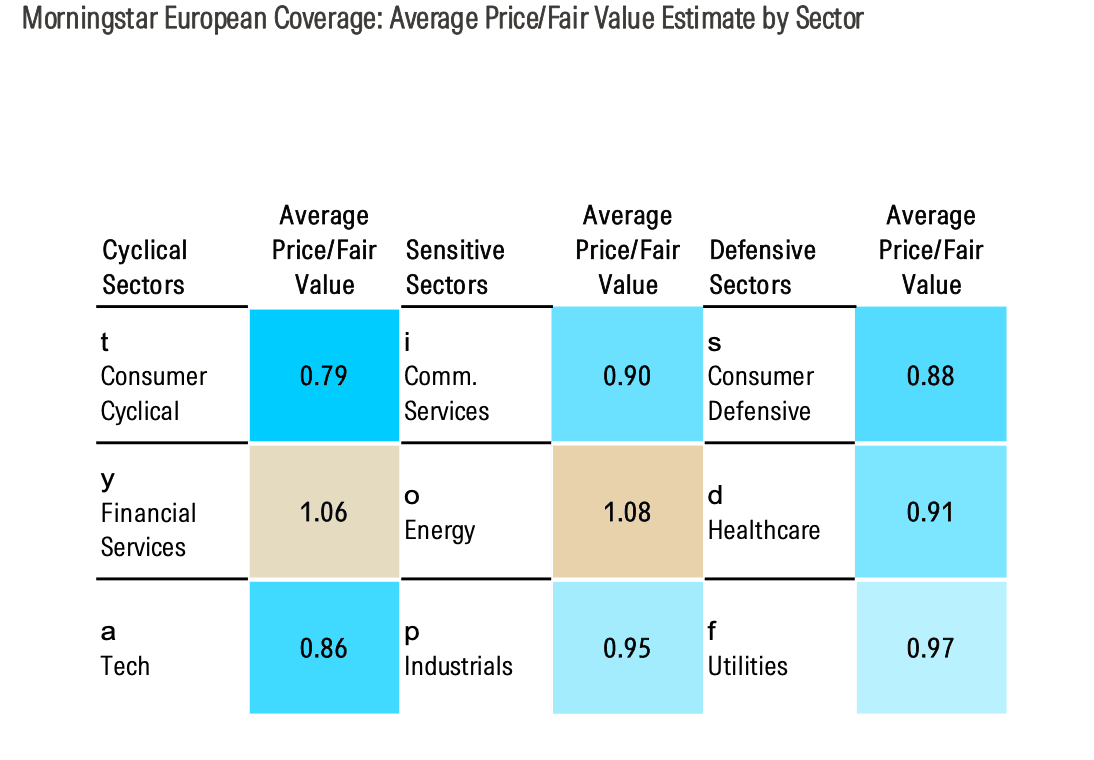
Chart 5: Morningstar’s Average Price/Fair Value Estimate by Sector Source: Morningstar. Data as of September 2026.
Energy and financials trade at modest premiums. Software stocks have staged a rebound following earlier cloud growth concerns. “There's nothing flashing up red that we're saying, don't touch,” he said.
Addressing patent cliff concerns, Field noted that major pharmaceutical firms like AstraZeneca and Roche possess diversified pipelines capable of replacing expiring patents.