
Amid intense debate over the risk of a technology bubble, industry conditions present a more nuanced picture. Investment opportunities are being created by structural constraints in semiconductor manufacturing, grid modernisation and corporate governance, according to David Mellul, managing partner at Varenne Capital Partners.
Speaking to institutional investors in Luxembourg on 13 October 2026, Mellul outlined some of the firm’s long and short positions across the semiconductor, industrial, and specialty-chemicals sectors.
Navigating high-bandwidth memory bottlenecks
High-bandwidth memory, or HBM, has become a critical constraint on the expansion of data-centre infrastructure. Micron operates in a concentrated market alongside Samsung Electronics and SK Hynix, protected by substantial technological and capital barriers to entry, Mellul said.
He argued that limited competitive intensity had strengthened suppliers’ pricing power, allowing Micron to increase revenue without compressing margins. The company’s order book extends through 2027, he added, providing more than 15 months of revenue visibility.
Mellul said Micron traded at approximately five times forecast earnings two years ahead, leaving Varenne’s bullish thesis intact.
Using insider transactions to identify turning points
Semiconductor-equipment manufacturer ASML illustrates how Varenne uses directors’ dealings to identify potential changes in market sentiment.
After ASML shares traded between approximately €610 and €700 during the first nine months of 2025, several board members purchased shares ahead of subsequent blackout periods, Mellul said. He argued that the cluster of transactions preceded the share price’s acceleration.
Varenne makes extensive use of publicly disclosed insider transactions, as previously reported in May 2026.
We have no emotional attachment to any stocks

ASML’s extreme-ultraviolet lithography systems are used in the production of chips at advanced process nodes, including 2 nanometres. As customers resume capital expenditure and Chinese competitors such as Semiconductor Manufacturing International Corporation (SMIC) remain behind at the most advanced nodes, ASML’s backlog supports Varenne’s positive outlook, Mellul said.
Disciplined profit-taking in material sciences
Corning demonstrates why strong operating performance must still be assessed against valuation. Varenne purchased the shares at approximately $60 and later exited the position at an average price of around $246, following a sharp rise associated with demand for artificial-intelligence infrastructure.
Once the market price reached Varenne’s estimate of intrinsic value, the firm sold the position, Mellul said (see chart 1). The fund may invest again once earnings growth creates sufficient additional value.
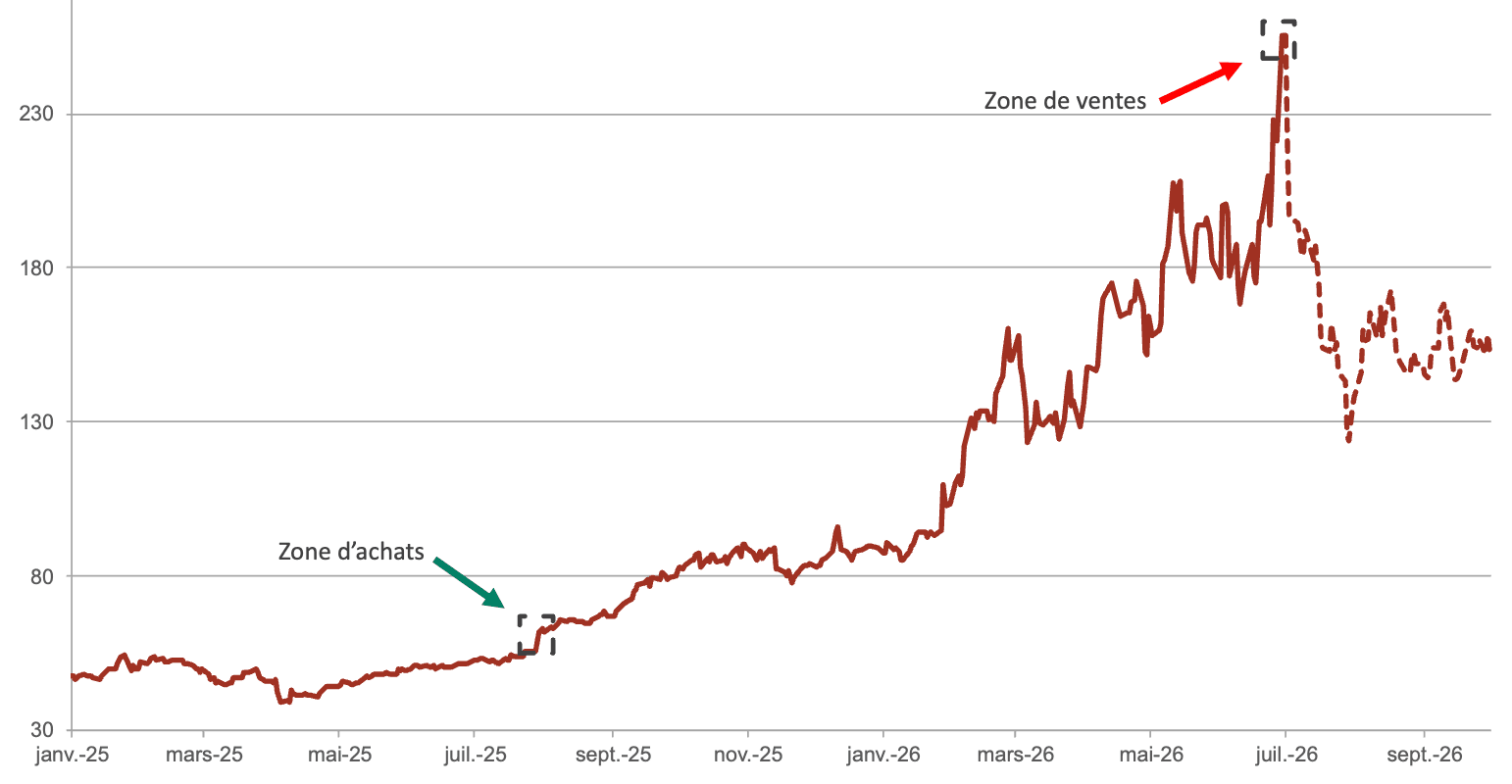
Chart 1: Corning Source : Bloomberg – data as of 30 September 2026
“We have no emotional attachment to any stocks,” he said.
Connecting the physical and digital worlds
Analog Devices benefits from demand for components that convert real-world signals into digital data. The business delivers accelerating earnings per share supported by the absence of margin compression, backed by multi-year enterprise contracts with large corporate clients.
Varenne’s confidence increased following Analog Devices’ second-quarter results. Alongside its equity position, the firm added call options with strike prices ranging from $420 to $440 to increase its exposure to further gains (see chart 2).
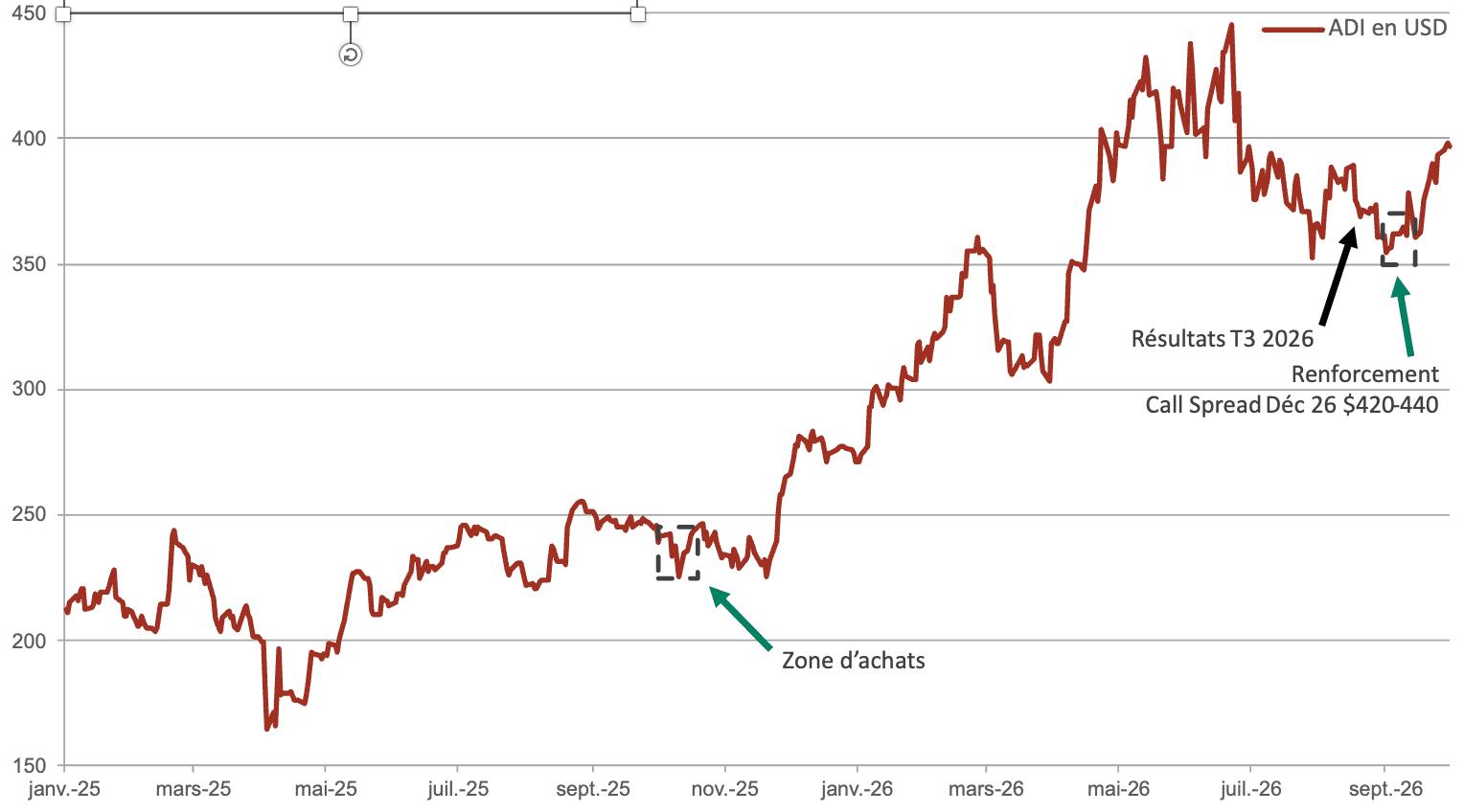
Chart 2: Analog devices Source : Bloomberg – data as of 30 September 2026
Varenne regularly uses options—a type of derivative financial product—to express investment views with an asymmetric payoff profile.
Powering global electrification transitions
The growth of computing infrastructure also requires substantial investment in electricity networks. Cable manufacturer Prysmian has secured framework agreements with major utilities, supporting double-digit growth while its valuation remains reasonable, in Mellul’s view.
He also highlighted ABB’s strong competitive position in circuit breakers and digitised switchgear used to modernise power grids. With sizeable order backlogs and upgraded financial targets, Prysmian and ABB remain important components of Varenne’s bullish infrastructure thesis.
Governance failures in specialty chemicals
Corporate-governance failures can create opportunities on the short side, Mellul said.
Varenne identified a potential warning sign at Belgian specialty-chemicals producer Syensqo when the company announced the departure of its chief executive shortly after presenting a new strategy in September 2025 (see chart 3).
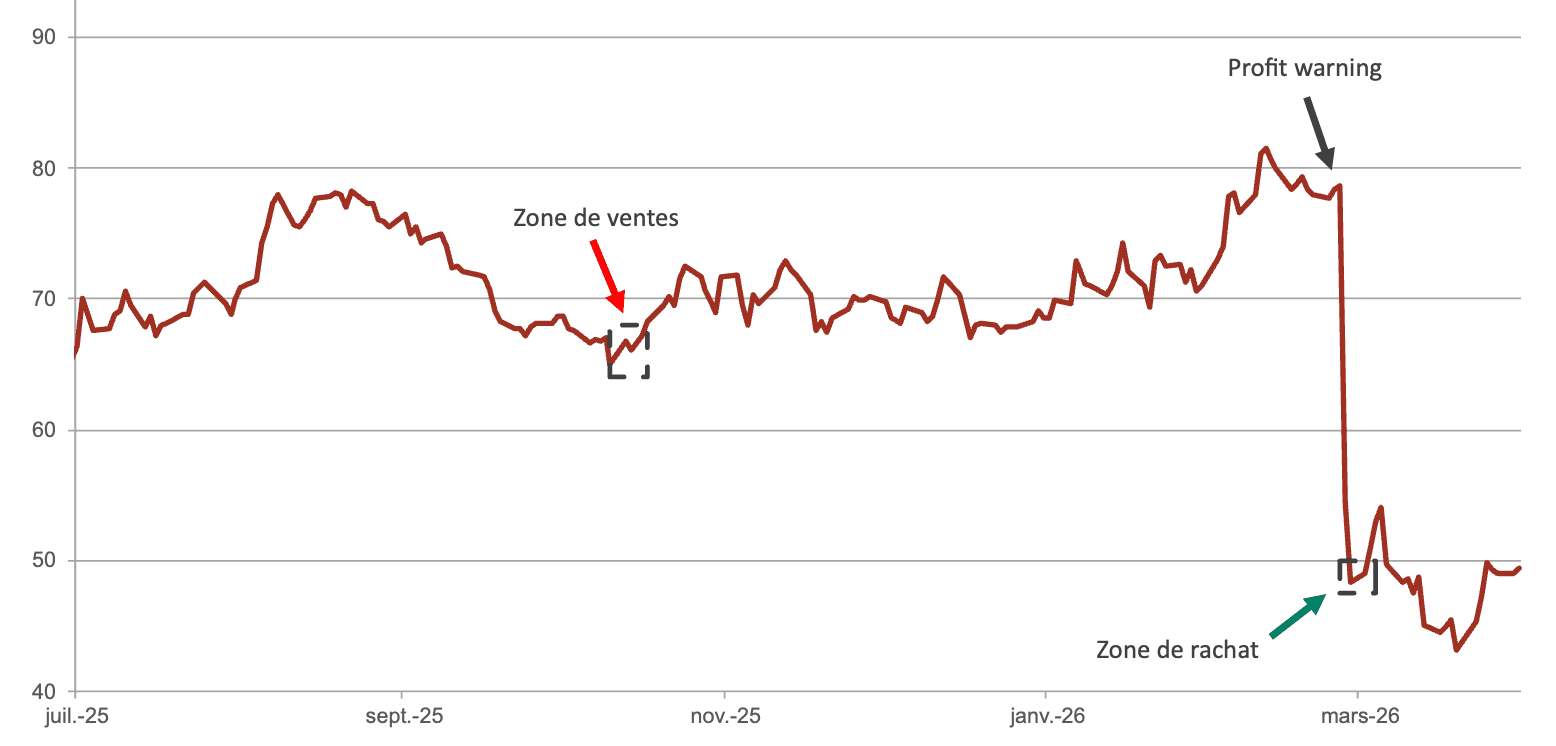
Chart 3: Syensqo Source : Bloomberg – data as of 31 March 2026
According to Mellul, Varenne’s analysis indicated that Syensqo had financed dividends exceeding internally generated cash by increasing debt, while continuing to support unprofitable legacy businesses. The subsequent operational deterioration led to a profit warning and a 30% single-day fall in the share price, supporting the fund’s bearish thesis.
“The market took its time to prove us right, and that’s always a bit of a problem when you’re short,” Mellul said. “You need to be right relatively quickly.”
Selectivity over broad market narratives
Navigating technology cycles requires investors to look beyond broad claims about artificial-intelligence hype, Mellul concluded.
With an estimated $1.3trn in capital expenditure being deployed across data networks and energy grids, he argued that stock selection should focus on companies that control critical bottlenecks. Insider activity may help identify turning points, while strict valuation discipline remains essential when deciding when to enter or leave a position.