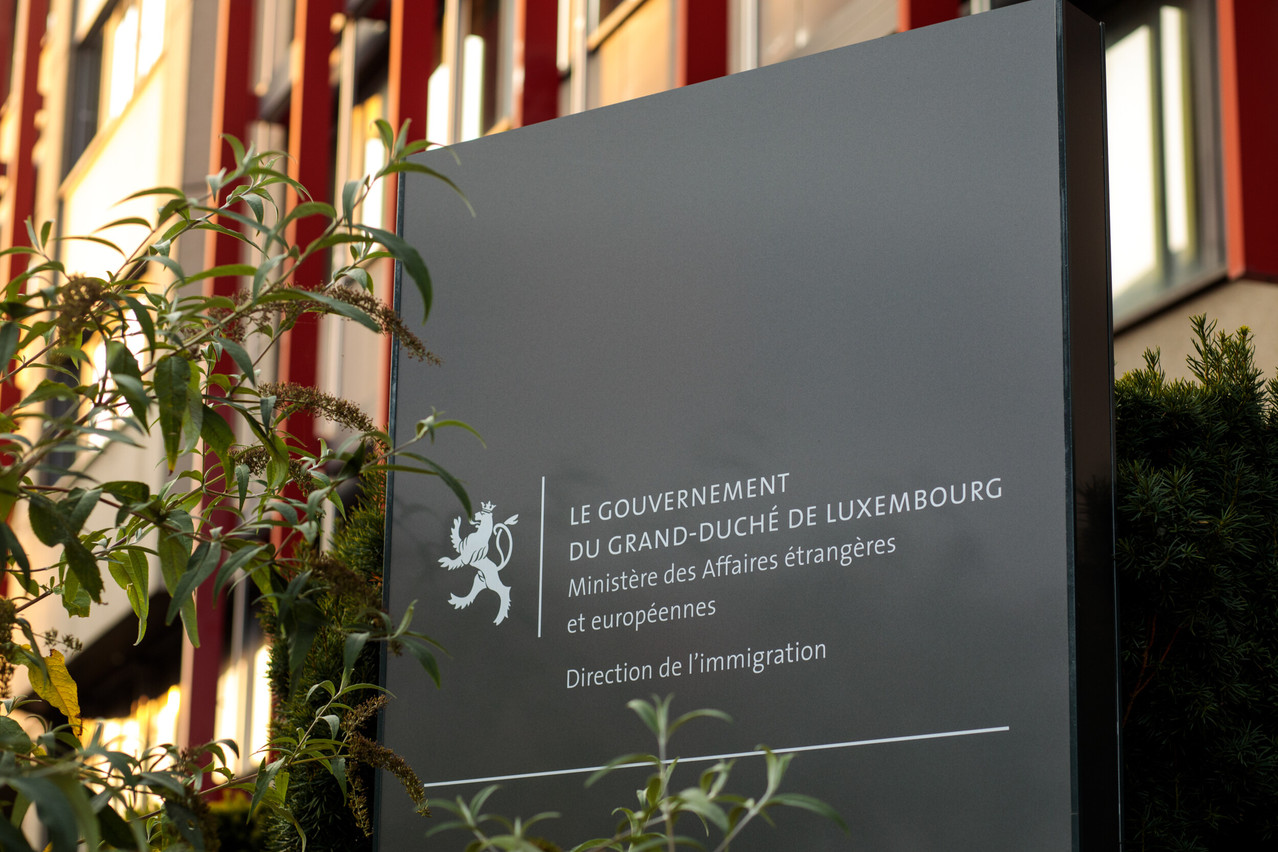
According to the ministry of Home Affairs, asylum applications in Luxembourg fell by 27% between 2024 and 2025. 
Despite a fall of around 32% in irregular border crossings compared with 2024, ten member states were still maintaining internal border controls, noted Léon Gloden. “We need an exit strategy and to rebuild mutual trust,” he said.
The ministers also discussed the aftermath of the summer migration crisis in Ceuta. European commissioner Magnus Brunner presented a five-point plan: to strengthen cooperation with third countries, to provide greater protection for external borders, to improve early warning systems, to dismantle smuggling and human trafficking networks, and to step up returns.
Léon Gloden called for the monitoring of disinformation that could incite mass influxes. “Frontex must also become a rapid-response force at the service of member states,” he said.
Negotiating readmission agreements in stages
The ministry reported a total of 1,206 returns since 2024. The minister for Home Affairs highlighted the growing importance of voluntary returns in Luxembourg and called for a more flexible approach to readmission agreements with third countries.
He proposed proceeding on a category-by-category basis, starting, where appropriate, with convicted offenders, and providing incentives, particularly in relation to legal migration. “But in the event of a refusal to cooperate, the European Union must use its leverage in the areas of visas and trade,” he said.
The minister also called for better use to be made of existing police data-sharing systems. In the afternoon, discussions focused on intimidation and violence linked to drug trafficking. The ministers advocated an approach combining prevention, social work, public health, police cooperation and the judicial response.