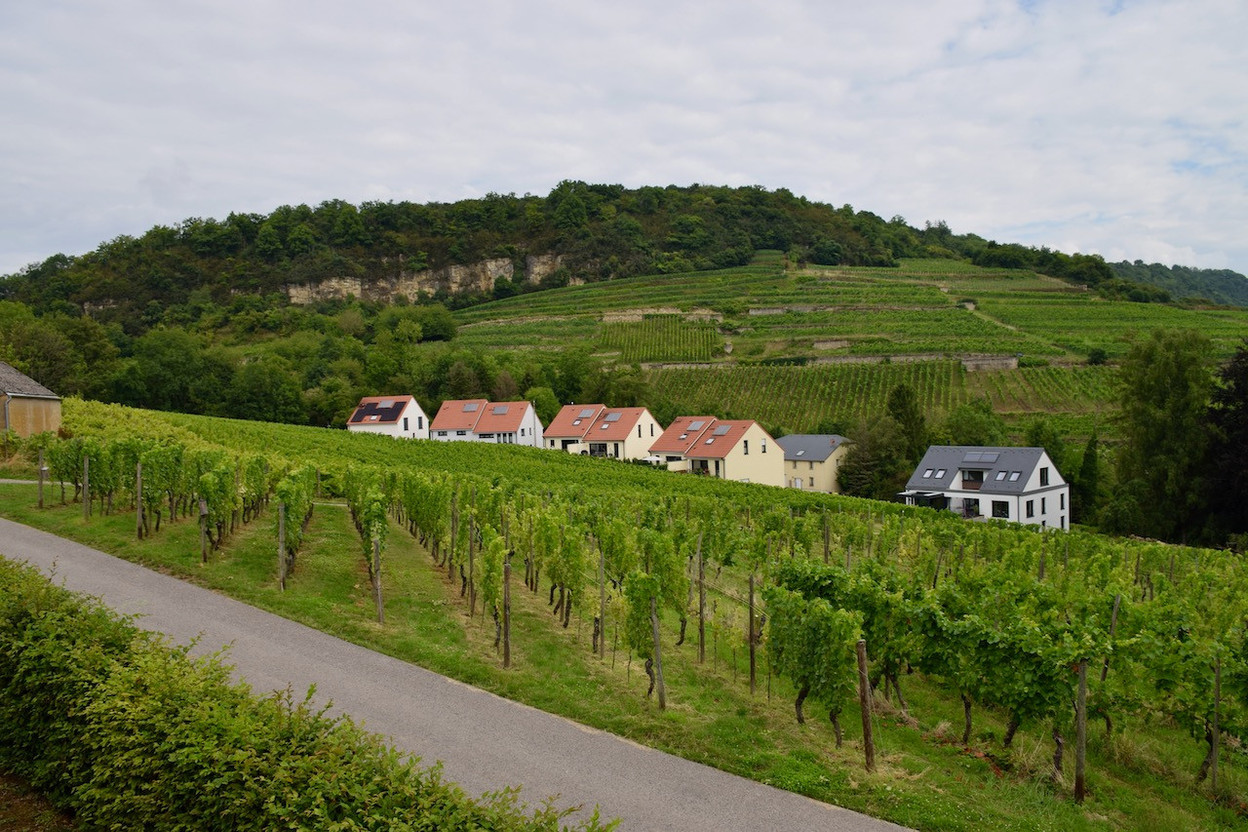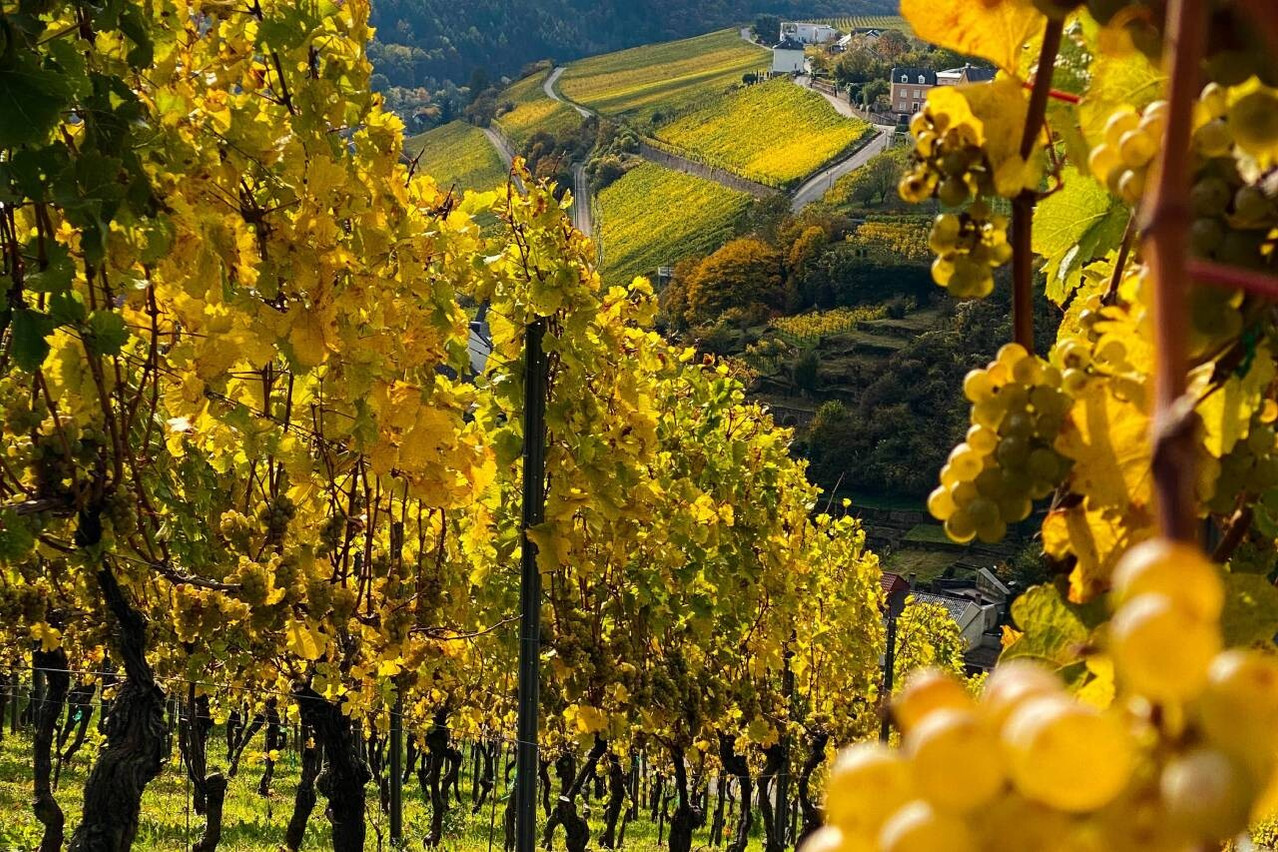
The grape harvest began several weeks early in the Luxembourg Moselle region. The first bunches were harvested as early as 17 August in Wintrange, a date which marks a “record for the earliest harvest”, according to a press release from the ministry of Agriculture, Food and Viticulture published on Friday 4 September. The minister 

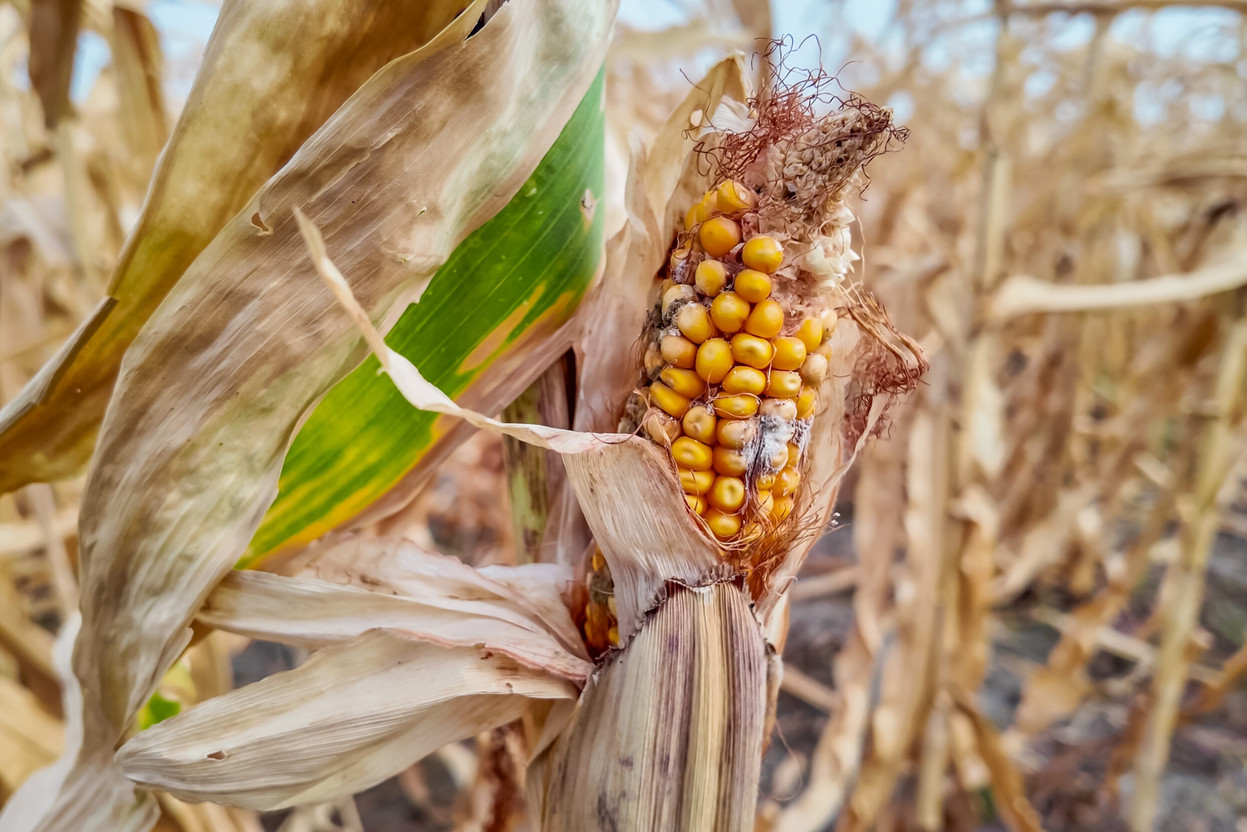
Since winter, the vines have been going through each stage of their development earlier than usual, from bud break to ripening. The heatwave and drought are bringing this timeline forward, forcing winegrowers to irrigate young vines to limit water stress. The risk of fungal diseases remains low, but the lack of water is reducing the size of the bunches and suggests a below-average harvest.
However, according to the ministry, the grapes have a good aromatic concentration. The milder temperatures and rainfall at the end of August are providing more favourable conditions for the final stage of ripening. “Whilst harvest yields remain low, we can expect balanced, generous and expressive wines,” says Martine Hansen. The summer of 2026 saw an average temperature of 21.8°C in Remich, whilst the thermometer reached 41.4°C on 26 and 27 June, according to the official weather report.
Seasonal workers to support the estates
Hundreds of seasonal workers – whether paid staff or volunteers – lend a hand on the estates during the grape harvest. This year, the Employment Development Agency (Adem) is organising its Jobdays separately for each estate that requests them. The government is also preparing to streamline the procedures for seasonal and casual work in the agricultural, wine-growing and horticultural sectors. The draft bill is due to appear on the agenda of the Chamber of Deputies shortly.
A vineyard covering 1,165 hectares
According to the 2025 wine-growing census, Luxembourg’s vineyards cover 1,165 hectares under production. Rivaner covers 209 hectares, ahead of Pinot Gris with 189 hectares, Auxerrois with 174 hectares, Pinot Blanc with 155 hectares and Riesling with around 153 hectares. Co-operatives cultivate 43 per cent of the land, independent winegrowers 37 per cent, and wine merchants, together with their contracted winegrowers, 20 per cent. In Remich, 15 estates cultivate more than 76 hectares.